
Energy Saving Tilting Granulator for Green Production
The core energy-saving advantage of the energy saving tilting granulator comes from its optimized three-dimensional tilting mixing principle. Different from traditional granulators that rely on high-speed forced stirring to drive material movement and cause massive invalid power consumption, this equipment adopts gravity-assisted circulating mixing technology. Through the scientific tilting angle design, the materials automatically complete rolling, convection and uniform mixing under the action of gravity and low-speed rotation. It avoids the high-energy consumption caused by high-speed rigid stirring of traditional equipment, and greatly reduces the operating power demand while ensuring thorough mixing and granulation effects.
Equipped with an intelligent frequency conversion energy-saving system, the equipment realizes precise energy consumption control in the whole production process. The system can automatically adjust the operating speed and power output according to different material types, feeding volume and production process requirements. It effectively solves the problem of constant high-power operation and serious electric energy waste of traditional fixed-speed granulation machines in low-load working conditions. Whether it is small-batch trial production or large-scale continuous mass production, the equipment can maintain the most energy-saving operating state, greatly reducing unit product energy consumption.
Efficient one-time forming performance further amplifies the green production value. Traditional granulation equipment is prone to uneven mixing, unformed particles and excessive fine powder, which requires repeated processing and secondary rework. Multiple cyclic processing not only reduces production efficiency, but also causes additional energy waste and material loss. The tilting mixing granulator realizes uniform mixing and one-time precise granulation without dead angles. The qualified rate of finished particles is extremely high, which completely avoids energy consumption waste caused by repeated processing, and maximizes the energy utilization rate of the production line.
The low-wear mechanical structure reduces indirect energy and resource consumption. Traditional granulators have severe friction between stirring components and materials, resulting in frequent component wear, frequent replacement of vulnerable parts and frequent equipment shutdown and debugging. Frequent equipment start-stop and maintenance will generate additional energy consumption and production costs. The optimized streamlined structure of the tilting mixing granulator reduces rigid collision and friction between materials and equipment. The equipment operates stably with low wear and long service life of parts, reducing invalid energy consumption caused by equipment failure, repeated start-stop and maintenance, and realizing low-carbon and low-consumption full-cycle operation.
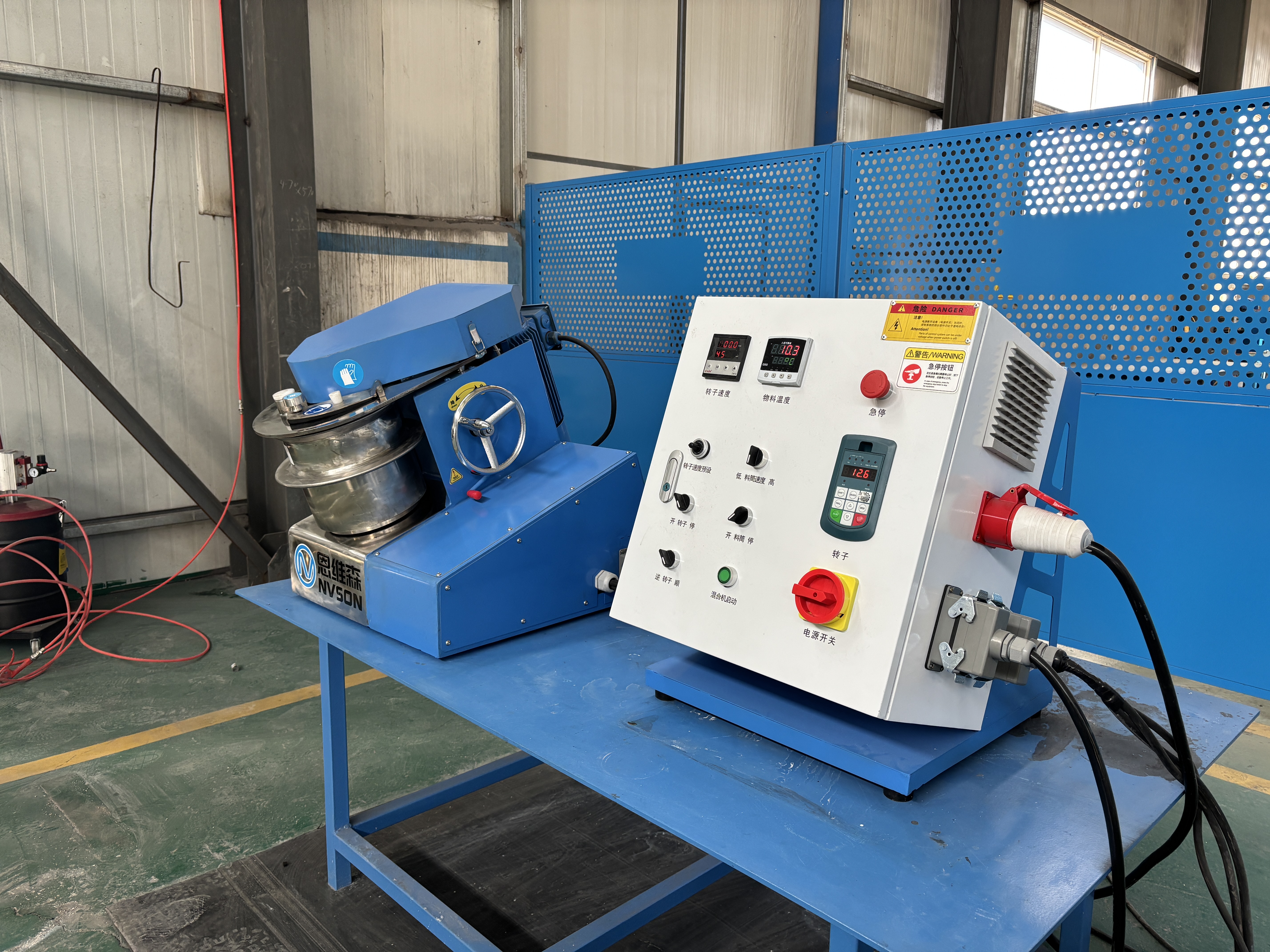
In terms of production efficiency and green benefit balance, energy-saving design does not sacrifice production performance. The tilting mixing granulator still maintains the advantages of uniform particle size, stable density and wide material adaptability. It can efficiently complete granulation processing of pharmaceutical powder, food raw materials, chemical additives and new energy materials. While meeting high-standard production quality requirements, it reduces enterprise energy costs and carbon emission indicators, helping factories meet international green production certification and environmental protection assessment standards.
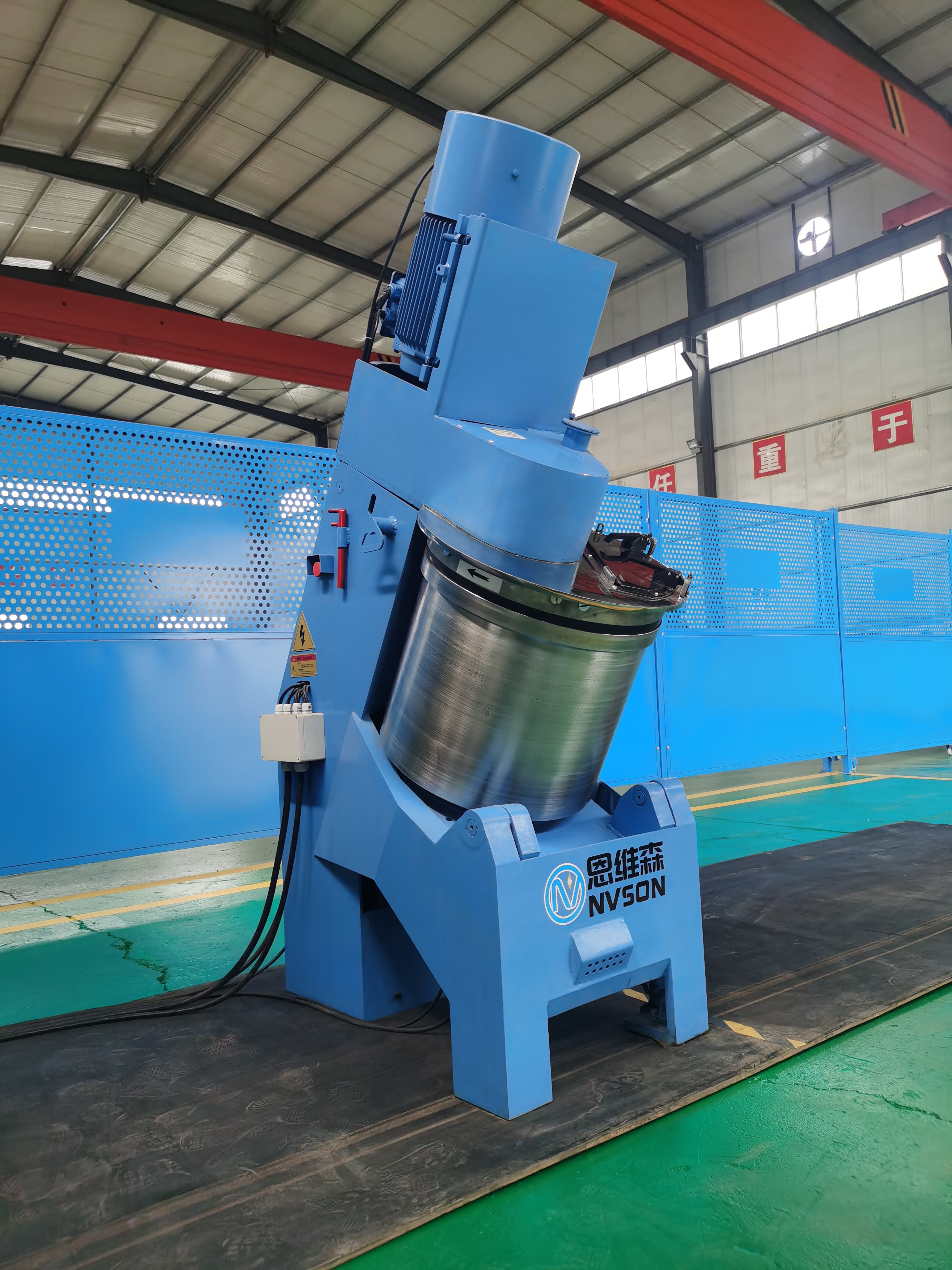
At present, energy conservation and emission reduction have become the inevitable trend of global industrial development, and high-energy-consumption backward equipment is gradually eliminated by the market. With professional energy-saving design, low-loss operation mode and high-efficiency granulation performance, the tilting mixing granulator helps powder processing enterprises reduce operating costs, optimize production structures, realize green and low-carbon upgrading of production lines, and create sustainable development benefits for modern manufacturing enterprises.