
Tilting Mixing Granulator vs Traditional Granulator: Which Is Better for Industrial Production?
In terms of mixing uniformity and quality stability, tilting mixing granulators have obvious structural advantages that traditional equipment cannot match. Most traditional granulators adopt fixed single-plane stirring modes. Materials can only move in a single direction, resulting in unavoidable stirring dead angles, material stratification and local agglomeration. In actual production, this leads to inconsistent particle size between batches, high fine powder rate and unstable product qualification rate. In contrast, the tilting mixing granulator uses an inclined rotary cylinder design to drive materials to form a full three-dimensional rolling and swirling motion. The combination of gravity, centrifugal force and stirring force realizes zero-dead-angle mixing, with mixing uniformity stably reaching more than 99%, ensuring completely consistent batch quality.
Production efficiency and process optimization are the core advantages that widen the gap with traditional equipment. Traditional granulation requires separate mixing equipment and granulation equipment. Multiple feeding, transferring and discharging procedures not only occupy more workshop space, but also cause frequent material loss and manual errors. The integrated structure of the tilting mixing granulator realizes one-step completion of mixing and granulation, eliminating intermediate transfer links. It shortens the production cycle by more than 40% and greatly improves continuous production capacity. For enterprises with large-batch and high-frequency production, the efficiency improvement directly brings substantial output growth.
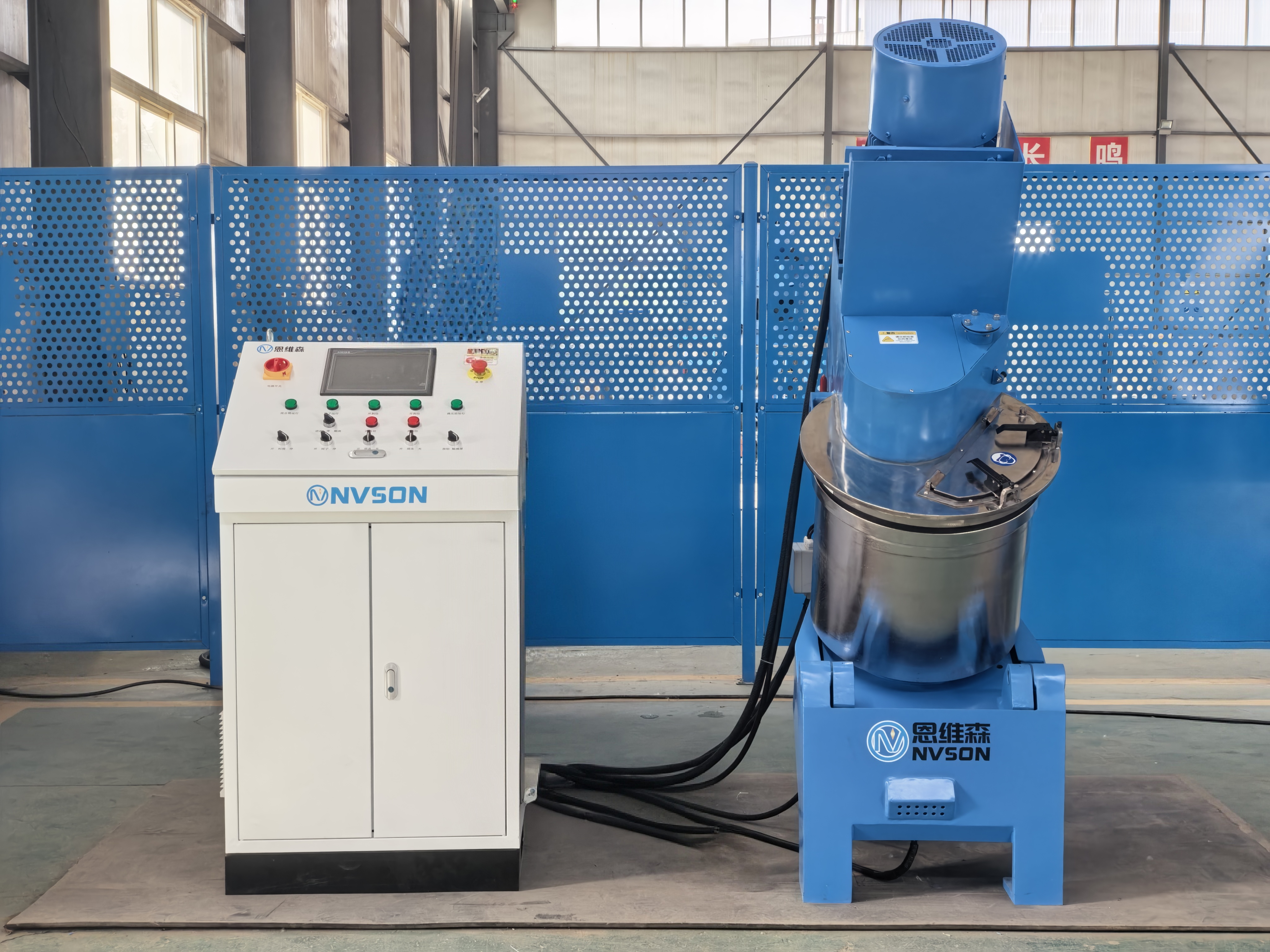
In terms of energy consumption and later maintenance costs, the tilting mixing granulator shows better long-term return on investment. Traditional granulation equipment has large material friction resistance and invalid power consumption, resulting in high overall energy consumption. Meanwhile, severe material impact leads to rapid wear of stirring blades and inner walls, requiring frequent replacement of accessories and long shutdown maintenance. The optimized inclined operation structure of the new tilting granulator reduces rigid friction between materials and equipment, lowers energy consumption by about 20%-25%, and greatly reduces the wear frequency of core components. Its service life is far longer than that of traditional equipment, and the modular disassembly design makes daily cleaning and maintenance more convenient, effectively reducing enterprise operating costs.
In terms of material adaptability and production flexibility, traditional granulators can only adapt to single and low-viscosity powder materials, which is difficult to meet the diversified processing needs of modern factories. The tilting mixing granulator has ultra-wide compatibility, which can perfectly adapt to pharmaceutical powder, food raw materials, chemical additives, new energy battery materials and metallurgical mineral powder. It can switch freely between small-batch trial production and large-scale mass production, helping enterprises realize flexible production and expand product categories.
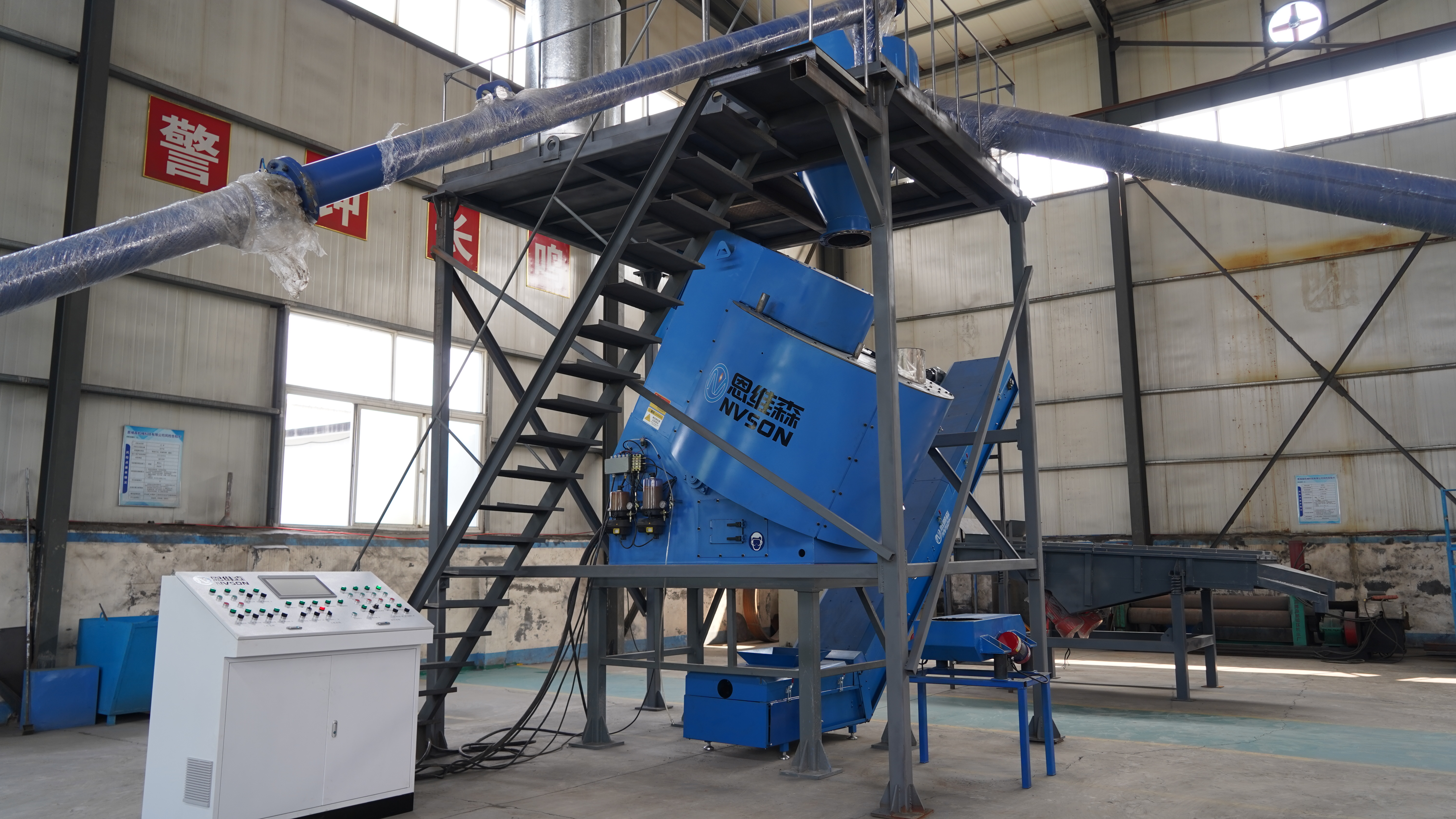
Industry procurement data shows that backward traditional granulation equipment is gradually being phased out of high-standard production lines due to low precision and high comprehensive costs. The tilting mixing granulator comprehensively surpasses traditional equipment in terms of quality stability, production efficiency, energy-saving performance and application range. For global manufacturers pursuing refined production and cost reduction, it is the most cost-effective granulation equipment upgrade solution at present.